
Shared home • individual cats

Insuring more than one cat

Compare a household offer while keeping each cat’s health history, routine needs and claim records distinct.

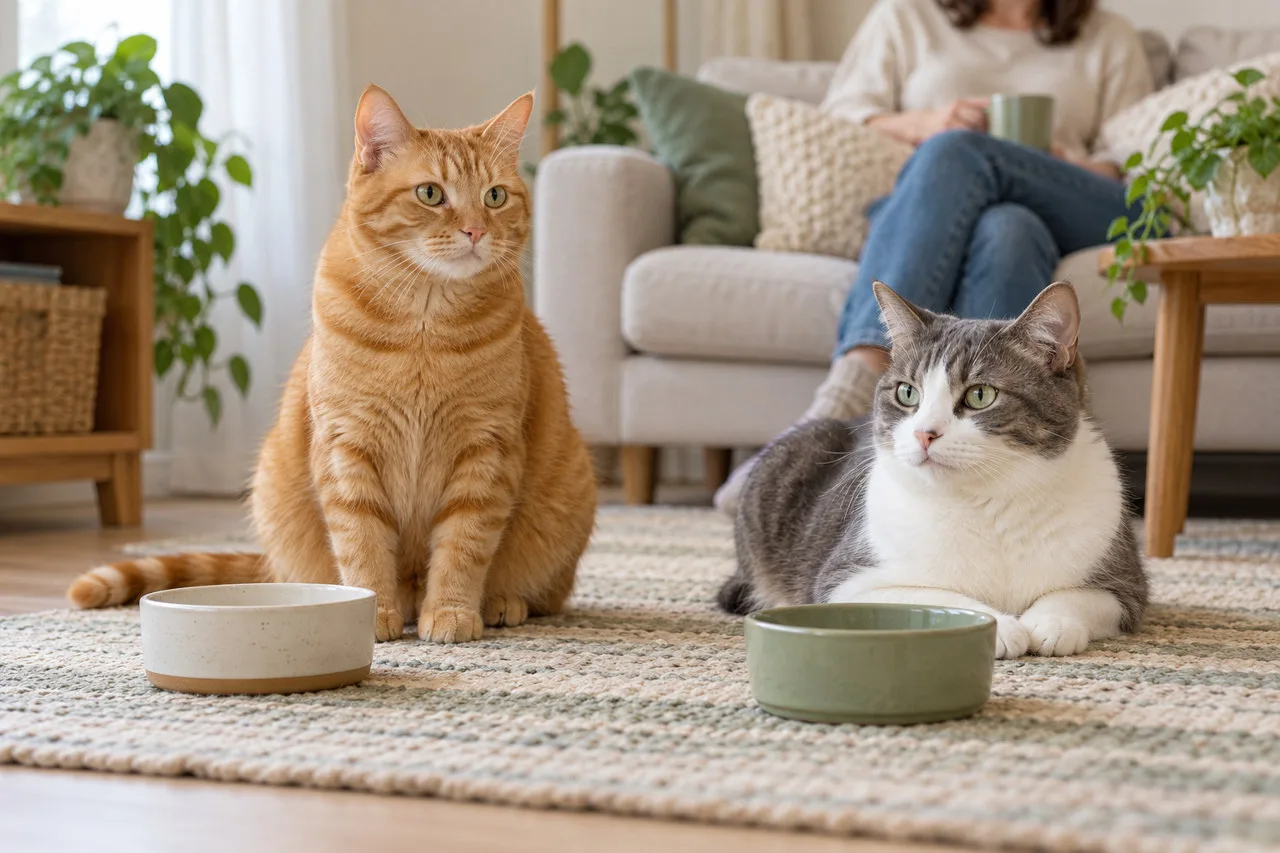
Two adult cats beside separate bowls in a living room with their owner
✓ Policy-first ✓ Independent ✓ Useful checks
Direct answer
Multi-pet insurance for cats can simplify managing several policies and may offer a discount, but it does not automatically create shared family benefits. Check the offered arrangement for each cat. Choose the coverage for each cat before deciding whether the combined price is a good fit.
Decision guide

Two cats in one home can need different decisions

Consider a hypothetical home with a newly adopted young adult cat and an older resident cat already receiving veterinary care. Do not copy the same application answers or optional benefits between them for convenience. The newcomer’s incomplete records and the resident’s documented history create different questions.

For the newcomer, gather available adoption and clinic records and clarify how to enter an estimated age or breed. For the resident, understand what an existing policy already covers before considering a switch. A new household discount should not obscure a possible change in how prior conditions are treated.

Identical premium settings are not the objective. A useful comparison preserves each cat’s needed benefits and describes any difference in deductible, limit or optional care.

What to know

Shared bowls can hide whose history you are describing

Cornell notes that feeding in a multi-cat household can make it difficult to tell whether each cat has adequate access to food; feeding separately can sometimes help. For insurance administration, the practical lesson is to keep observations and veterinary records attached to the correct cat.

If you notice an appetite change or another concern, tell the veterinarian what you observed and which cat it involves; say when you are unsure. Do not convert a household observation into a confident diagnosis for every cat. This is a records-accuracy point, not a self-diagnosis method or a claim strategy.

A prescribed diet for one cat also should not become an assumed insurance benefit for the household. Check that cat’s condition and food clause. Keep ordinary food, the therapeutic product and any covered medical services separately identifiable on receipts.

Cost & value

Price routine benefits cat by cat

Household detail What to ask before adding wellness
Different life stages Which services does the veterinarian expect for each cat?
Routine care already completed Would the new term’s schedule pay for future care you actually need?
A clinic package already in use Would another allowance duplicate a service already supplied?
One cat with a therapeutic diet Does the agreement actually include food, rather than only routine exams?

Do not add identical wellness options merely because a quote flow presents them together. The right routine-care choice can differ between cats even when you keep the same medical insurer.

Use the expected, usable benefits rather than the largest displayed total. Do not arrange extra procedures only to consume an allowance; care choices belong with the veterinarian.

Claims

One visit date still needs clear claim attribution

If the cats attend appointments together, ask for records that identify each animal and its actual services. A shared invoice does not turn their medical histories or benefits into one claim.

Keep a copy showing which charge belongs to which cat. If the practice corrects a mistaken name, retain the correction and follow the insurer’s instructions for updating the claim. Do not submit the full household charge as if each cat incurred it.

If the plan has separate deductibles or limits, confirm progress on the appropriate cat’s statement. A convenient shared account screen is not evidence that unused benefit can be moved between animals.

Compare

Compare the arrangement with keeping policies separate

Obtain the combined offer, but also keep the option of different providers where that better fits individual histories or required benefits. Compare total full-term premiums only after checking what each cat would receive. A discount on a poorly matched option is not a sufficient reason to move an established policy.

Ask what part of each premium receives any advertised discount. We do not quote a discount percentage because the actual offered terms need confirmation.

Plan for the household to pay more than one clinic bill before reimbursement if that is how the policies operate. Do not rely on the first claim being settled before another cat needs care. The practical benefit of a multi-cat arrangement is manageable administration with clear individual protection, not an assumption that the cats become one insured patient.

Evidence

Sources and policy context

These public references support the consumer or veterinary context. Named insurer details were checked in official product materials; the policy offered for your pet and state determines the actual terms.

Next step

Compare Current Pet Insurance Rates

Check current options for your pet and location, then compare the policy details, exclusions, costs, and eligibility before choosing.

Compare the policy before you choose Check the actual offer, exclusions and out-of-pocket terms.
See Rate Options